Blood & immune system conditions in women
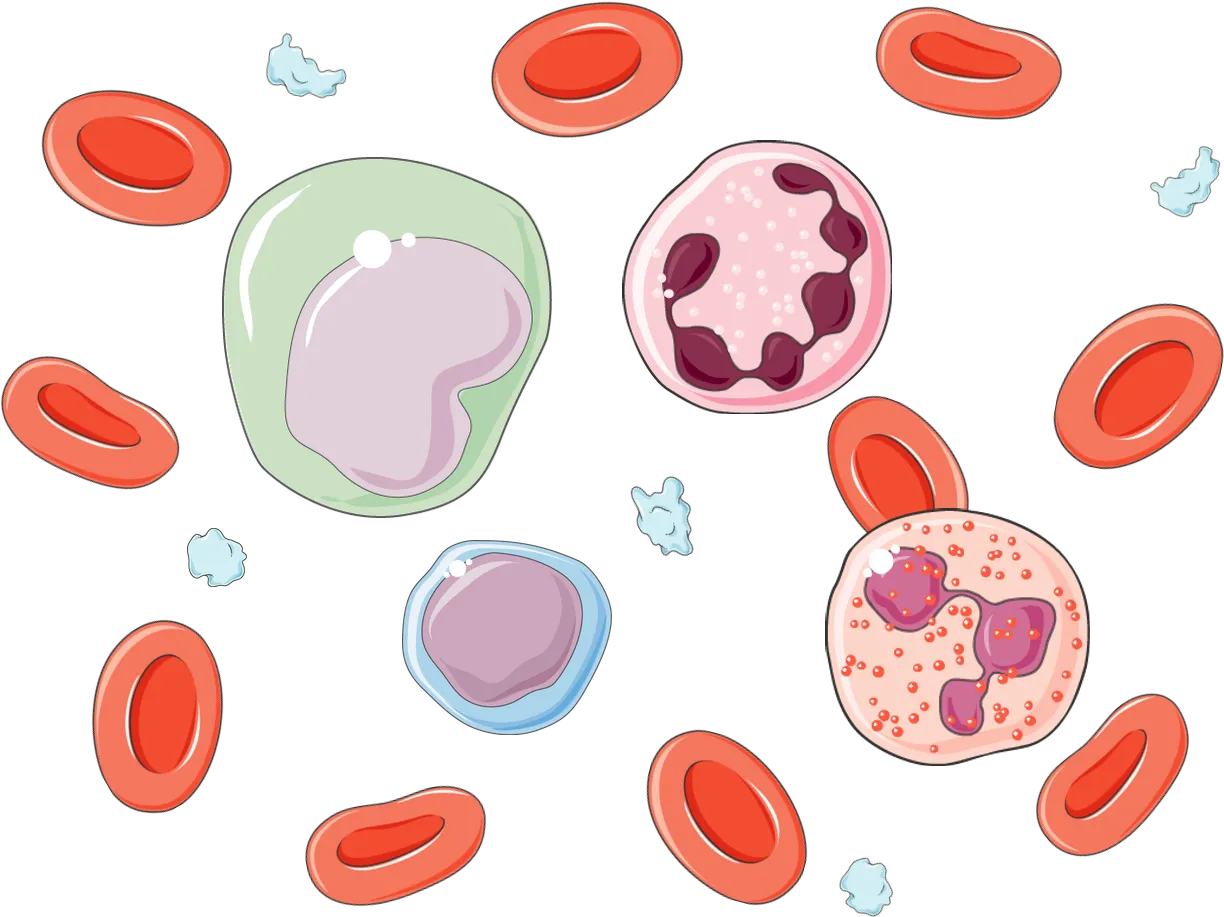
Blood carries oxygen and nutrients, and white blood cells defend you from infection. In autoimmune disease, that defense system targets your own tissues.
For education only — this guide can't diagnose you. If these signs sound familiar, talk with a healthcare provider. Book a consult
Conditions that affect your blood & immune system 17
Each guide covers early signs, labs to ask about, and when to see a doctor.
Allergies
ChronicAn immune overreaction to harmless things in the environment, such as pollen, dust mites, mold, or pet dander.
Anemia
ChronicHaving too few healthy red blood cells, or too little hemoglobin, to carry enough oxygen through the body. Iron deficiency from heavy periods is the most common cause in women.
Antiphospholipid syndrome
AutoimmuneAntibodies make the blood more likely to clot, raising the risk of blood clots, strokes, and pregnancy complications.
Chronic infections
ChronicOngoing symptoms that follow or are linked to an infection or exposure. Some links are well established, and others are still debated.
Asthma
ChronicLong-term inflammation of the airways that makes them swell, tighten, and fill with mucus in response to triggers, causing wheezing and shortness of breath.
Celiac disease
AutoimmuneAn autoimmune reaction to gluten (in wheat, barley, and rye) that damages the lining of the small intestine and blocks nutrient absorption.
Chronic spontaneous urticaria
AutoimmuneHives that appear on their own, without a clear trigger, most days for 6 weeks or longer. In many people, autoantibodies drive the reaction.
Period problems
ChronicVery painful, heavy, irregular, or missing periods, and severe mood symptoms before a period, are common but not something you have to put up with. They often point to a treatable cause.
Pernicious anemia
AutoimmuneThe immune system attacks cells in the stomach lining that make intrinsic factor, a protein needed to absorb vitamin B12.
Uterine fibroids
ChronicNoncancerous growths of the uterine muscle. Many cause no symptoms, but some cause heavy periods, pelvic pressure, and anemia.
Fatigue and chronic fatigue
ChronicOngoing exhaustion that limits daily life. It can come from a treatable cause, or it can be ME/CFS, a serious illness in which effort makes symptoms worse.
Polymyalgia rheumatica
AutoimmuneAn immune-mediated inflammatory condition that causes pain and stiffness in the shoulders, neck, and hips, almost always after age 50.
Rheumatologic conditions
ChronicRheumatology covers conditions of the joints, muscles, bones, and connective tissue, and many of them are autoimmune. This overview explains how inflammatory joint pain differs from mechanical pain, and where to read about specific conditions.
Rheumatoid arthritis
AutoimmuneThe immune system attacks the lining of the joints, causing painful swelling that can damage cartilage and bone if untreated.
Lupus
AutoimmuneA whole-body autoimmune disease that can inflame the skin, joints, kidneys, blood, heart, lungs, and brain.
Mixed connective tissue disease
AutoimmuneAn overlap condition with features of lupus, scleroderma, and myositis, marked by high levels of an antibody called anti-U1 RNP.
Scleroderma
AutoimmuneThe immune system drives thickening and scarring of the skin, and sometimes internal organs, along with damage to small blood vessels.
No conditions match. Try another word.
Signs worth getting checked
- Unusual fatigue or shortness of breath
- Pale skin
- Easy bruising or bleeding
- A swollen, painful leg or sudden shortness of breath (possible blood clot)
Ingredients that affect your blood & immune system
Ingredients that act on the blood & immune system. Each guide covers cautions.
About your blood & immune system
What it does
Red blood cells carry oxygen, platelets help blood clot, and white blood cells and antibodies fight infection. Autoimmune disease starts here: immune cells lose their tolerance for the body's own tissues and begin to attack them.
Common issues
- Iron-deficiency anemia, which is very common with heavy periods
- Low B12 or folate
- Frequent or slow-to-clear infections
- Easy bruising

Ready to find the root cause?
Dr. Lesher is a Naturopathic Doctor who focuses on autoimmune and chronic conditions in women. Since 2020, she's helped hundreds of patients stop managing symptoms and start healing.