Turkey tail
Also called: Medicinal mushroom, Trametes versicolor, Coriolus versicolor
A striped, fan-shaped mushroom rich in beta-glucans that stimulate the immune system. Extracts from it are used alongside cancer care in Japan.
Supplements can interact with medications and aren't right for everyone, especially during pregnancy or breastfeeding, or with a chronic condition. Ask your provider before you start.
Studied for
- Immune support
- Gut balance (acts as a prebiotic)
- Support alongside cancer care, with your oncologist's approval
Found naturally in
- Turkey tail mushroom, too tough to eat, traditionally simmered as a tea
Label red flags
- No beta-glucan percentage listed
- 'Myceliated grain' or 'mycelium biomass' as the main ingredient
Check with a provider
- Autoimmune conditions. Because it stimulates the immune system, ask your provider first.
- Taking immune-suppressing medicines
- Having chemotherapy or other cancer treatment. Check with your oncologist first.
- Pregnancy or breastfeeding: not well studied
Usually found in mushroom blends, immune formulas. Browse Dr. Lesher's dispensary
Parts of the body it affects
Explore what each area does and the conditions that can affect it.
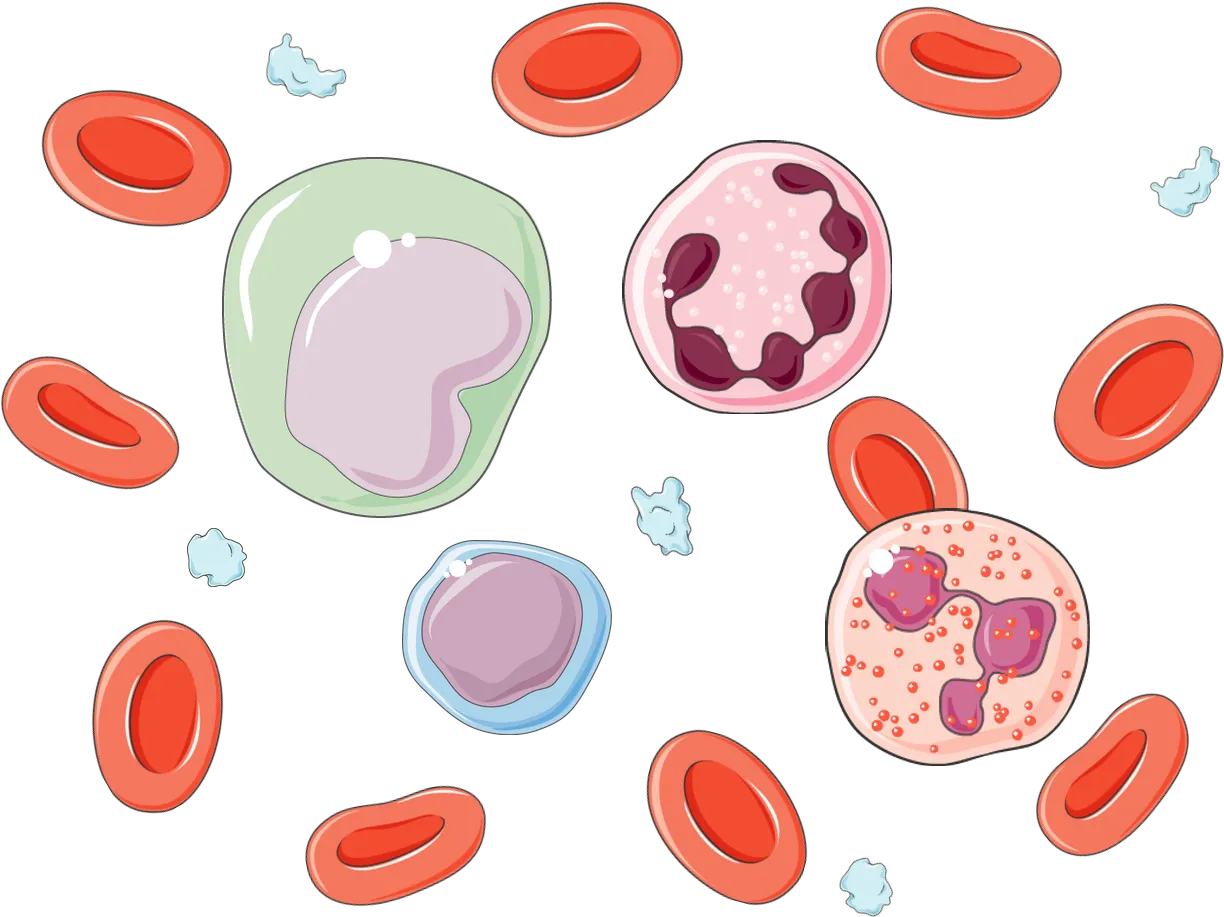
Blood & immune system
Blood carries oxygen and nutrients, and white blood cells defend you from infection. In autoimmune disease, that defense system targets your own tissues.
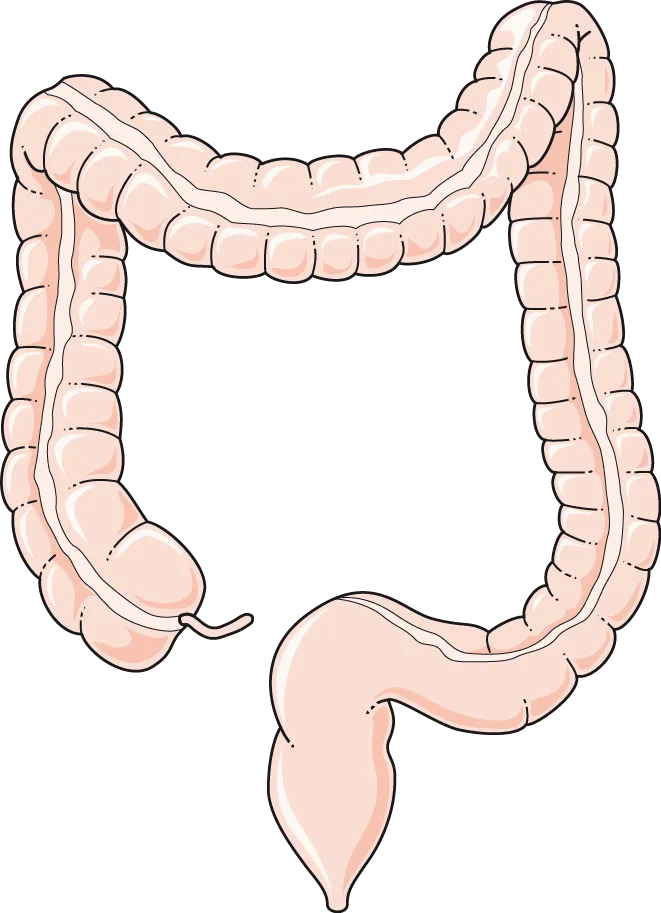
Digestive tract
Your stomach and intestines absorb nutrients and hold most of your body's immune tissue, which makes the gut a common target in autoimmune disease.
Illustrations: Servier Medical Art, CC BY 4.0

Ready to find the root cause?
Dr. Lesher is a Naturopathic Doctor who focuses on autoimmune and chronic conditions in women. Since 2020, she's helped hundreds of patients stop managing symptoms and start healing.