Polymyalgia rheumatica
PMR
Autoimmune conditionAn immune-mediated inflammatory condition that causes pain and stiffness in the shoulders, neck, and hips, almost always after age 50.
For education only — this guide can't diagnose you. If these signs sound familiar, talk with a healthcare provider. Book a consult
What happens
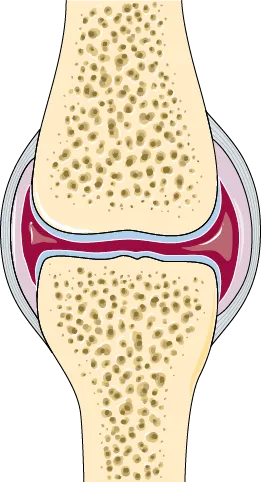
Inflammation in and around the shoulder and hip joints causes aching and stiffness that's worst in the morning. It's closely linked to giant cell arteritis, an inflammation of arteries in the head that can threaten vision.
Who gets it
Almost always over 50, most often over 70, and two to three times more common in women.
Signs worth getting checked
- Aching and stiffness in both shoulders and upper arms
- Hip and thigh stiffness
- Morning stiffness lasting 45 minutes or more
- Trouble getting out of bed or raising your arms
- Fatigue, low-grade fever, or weight loss
Labs to ask about
- ESR and CRP (inflammation markers)
- Complete blood count
- RF and anti-CCP to rule out rheumatoid arthritis
- CK and TSH to rule out muscle and thyroid causes
Treatments your doctor may discuss
- Low-dose steroids, usually tapered slowly over a year or more
- Steroid-sparing medicines for some people
- Bone protection while taking steroids
Supportive steps to discuss with your provider
- Never stop steroids suddenly.
- Protect your bones with vitamin D, calcium, and weight-bearing activity as advised.
- Stay gently active to keep shoulders and hips mobile.
See a doctor promptly if you have
- A new headache, scalp tenderness, jaw pain when chewing, or vision changes: get same-day care (possible giant cell arteritis)
- Fever or unexplained weight loss
Related conditions

Ready to find the root cause?
Dr. Lesher is a Naturopathic Doctor who focuses on autoimmune and chronic conditions in women. Since 2020, she's helped hundreds of patients stop managing symptoms and start healing.