Asthma
Allergic asthma, exercise-induced asthma, adult-onset asthma
Chronic conditionLong-term inflammation of the airways that makes them swell, tighten, and fill with mucus in response to triggers, causing wheezing and shortness of breath.
For education only — this guide can't diagnose you. If these signs sound familiar, talk with a healthcare provider. Book a consult
What happens
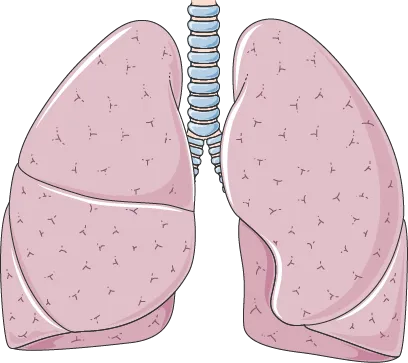
In asthma, the airway lining is inflamed and overly sensitive. Triggers such as allergens, colds, smoke, cold air, or exercise cause the muscles around the airways to tighten and the lining to swell, narrowing the passages. Many people have allergic asthma, but some have other types. With good control, most people can be active with few symptoms.
Who gets it
Asthma is more common in boys in childhood, but more common in women in adulthood, and adult-onset asthma often begins in women. Hormone shifts around periods, pregnancy, and menopause can affect symptoms. Allergies, eczema, obesity, and reflux raise the risk.
Signs worth getting checked
- Wheezing
- A cough that's worse at night, early morning, or with exercise
- Chest tightness
- Shortness of breath
- Colds that settle in the chest and linger
- Flares with allergens, smoke, strong scents, or cold air
- Symptoms that change around periods or pregnancy
Labs to ask about
- Spirometry before and after a bronchodilator
- Exhaled nitric oxide (FeNO) testing
- Peak flow monitoring at home
- Allergy testing (skin prick or specific IgE)
- CBC with eosinophils for harder-to-control asthma
Treatments your doctor may discuss
- A daily inhaled steroid-containing controller medicine
- A quick-relief inhaler for symptoms, as directed
- Biologic medicine for severe asthma
- Treating allergies, reflux, and nasal symptoms that worsen asthma
Supportive steps to discuss with your provider
- Ask for a written asthma action plan.
- Have your inhaler technique checked. Many people use them incorrectly.
- Avoid smoke and vaping, including secondhand.
- Stay up to date on flu and other recommended vaccines.
- Keep using controller medicine during pregnancy unless told otherwise. Uncontrolled asthma is riskier.
See a doctor promptly if you have
- Severe trouble breathing, blue or gray lips, or trouble speaking in full sentences: call 911
- A quick-relief inhaler that isn't helping or wears off quickly: go to the emergency room
- Needing your quick-relief inhaler more often than usual
- Waking at night with asthma symptoms
Related conditions

Ready to find the root cause?
Dr. Lesher is a Naturopathic Doctor who focuses on autoimmune and chronic conditions in women. Since 2020, she's helped hundreds of patients stop managing symptoms and start healing.