Reproductive health conditions in women
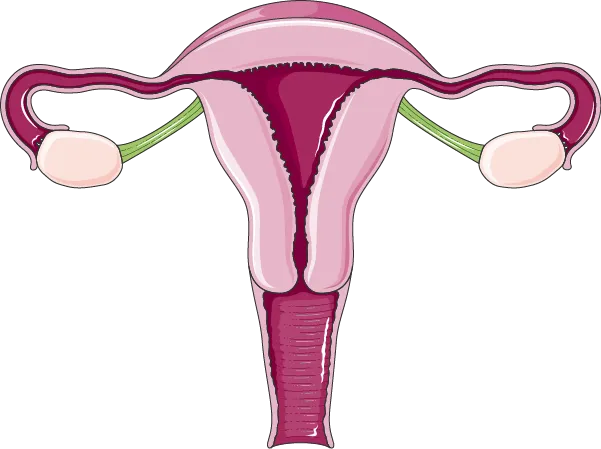
Your ovaries and uterus shape your cycle, fertility, and hormones. Sex hormones also influence the immune system, one reason autoimmune disease is more common in women.
For education only — this guide can't diagnose you. If these signs sound familiar, talk with a healthcare provider. Book a consult
Conditions that affect your reproductive organs 15
Each guide covers early signs, labs to ask about, and when to see a doctor.
Endometriosis
ChronicA chronic, estrogen-driven inflammatory condition in which tissue similar to the uterine lining grows outside the uterus, causing pain and sometimes infertility. It isn't classified as autoimmune, but women with endometriosis have higher rates of several autoimmune diseases.
Fertility challenges
ChronicInfertility means not getting pregnant after 12 months of trying, or after 6 months if you're 35 or older. Many causes are treatable, and both partners should be evaluated.
Perimenopause and menopause
ChronicMenopause is the point 12 months after your last period, when the ovaries have stopped releasing eggs. Perimenopause is the years of shifting hormones before it, when most symptoms begin.
Period problems
ChronicVery painful, heavy, irregular, or missing periods, and severe mood symptoms before a period, are common but not something you have to put up with. They often point to a treatable cause.
Polycystic ovary syndrome
ChronicA common hormone condition that often causes irregular periods, higher androgen (male-type hormone) levels, and insulin resistance. Despite the name, not everyone with PCOS has ovarian cysts.
Uterine fibroids
ChronicNoncancerous growths of the uterine muscle. Many cause no symptoms, but some cause heavy periods, pelvic pressure, and anemia.
Anemia
ChronicHaving too few healthy red blood cells, or too little hemoglobin, to carry enough oxygen through the body. Iron deficiency from heavy periods is the most common cause in women.
Antiphospholipid syndrome
AutoimmuneAntibodies make the blood more likely to clot, raising the risk of blood clots, strokes, and pregnancy complications.
Depression
ChronicA persistent low mood or loss of interest that lasts at least 2 weeks and affects how you think, feel, and function. It's a medical condition, not a weakness, and it's treatable.
Osteoporosis
ChronicA condition in which bones become thinner and weaker, so they break more easily. It usually causes no symptoms until a bone breaks.
Skin conditions
ChronicCommon long-term skin conditions that cause breakouts, rashes, redness, or itching. Hormones, immune activity, and the skin barrier all play a role.
Blood sugar dysfunction
ChronicA spectrum in which the body responds less to insulin, so blood sugar control slowly worsens. It can progress from insulin resistance to prediabetes and type 2 diabetes.
Hashimoto's thyroiditis
AutoimmuneThe most common cause of an underactive thyroid in the US. The immune system slowly damages the thyroid, so it makes less hormone over time.
Celiac disease
AutoimmuneAn autoimmune reaction to gluten (in wheat, barley, and rye) that damages the lining of the small intestine and blocks nutrient absorption.
Lupus
AutoimmuneA whole-body autoimmune disease that can inflame the skin, joints, kidneys, blood, heart, lungs, and brain.
No conditions match. Try another word.
Signs worth getting checked
- Very heavy bleeding, such as soaking a pad or tampon every hour
- No period for 3 months or more (when not pregnant)
- Two or more miscarriages
- Periods stopping before age 40
Ingredients that affect your reproductive organs
Ingredients that act on the reproductive organs. Each guide covers cautions.
About your reproductive organs
What it does
The ovaries make estrogen and progesterone and release eggs. The uterus supports pregnancy. Estrogen tends to stimulate immune activity, which is one reason autoimmune conditions often change during pregnancy, after childbirth, and around menopause.
Common issues
- Polycystic ovary syndrome (PCOS)
- Endometriosis
- Fibroids
- Heavy or painful periods
- Perimenopause
- Early menopause (premature ovarian insufficiency), which is autoimmune in some women

Ready to find the root cause?
Dr. Lesher is a Naturopathic Doctor who focuses on autoimmune and chronic conditions in women. Since 2020, she's helped hundreds of patients stop managing symptoms and start healing.