Evening primrose oil
Also called: EPO, GLA (gamma-linolenic acid)
A seed oil rich in GLA, an omega-6 fat the body uses to make anti-inflammatory compounds. Evidence for most uses is mixed.
Supplements can interact with medications and aren't right for everyone, especially during pregnancy or breastfeeding, or with a chronic condition. Ask your provider before you start.
Studied for
- Cyclical breast pain (mixed evidence)
- PMS (limited evidence)
- Dry skin
- Joint stiffness (GLA, some studies)
Found naturally in
- Few foods contain GLA
- Your body makes GLA from linoleic acid in seed oils
- Hemp seeds
- Spirulina
Label red flags
- No GLA content listed
- Borage oil not labeled as free of pyrrolizidine alkaloids (PA-free)
- A strong or rancid smell, which suggests the oil has oxidized
Check with a provider
- Pregnancy. Avoid unless your practitioner directs it.
- Seizure disorder, or taking medicines that can lower the seizure threshold, such as phenothiazines
- Taking blood thinners or antiplatelet drugs, or having surgery soon
- Bleeding disorders
Usually found in GLA softgels, women's hormone and breast comfort formulas, skin support formulas. Browse Dr. Lesher's dispensary
Parts of the body it affects
Explore what each area does and the conditions that can affect it.
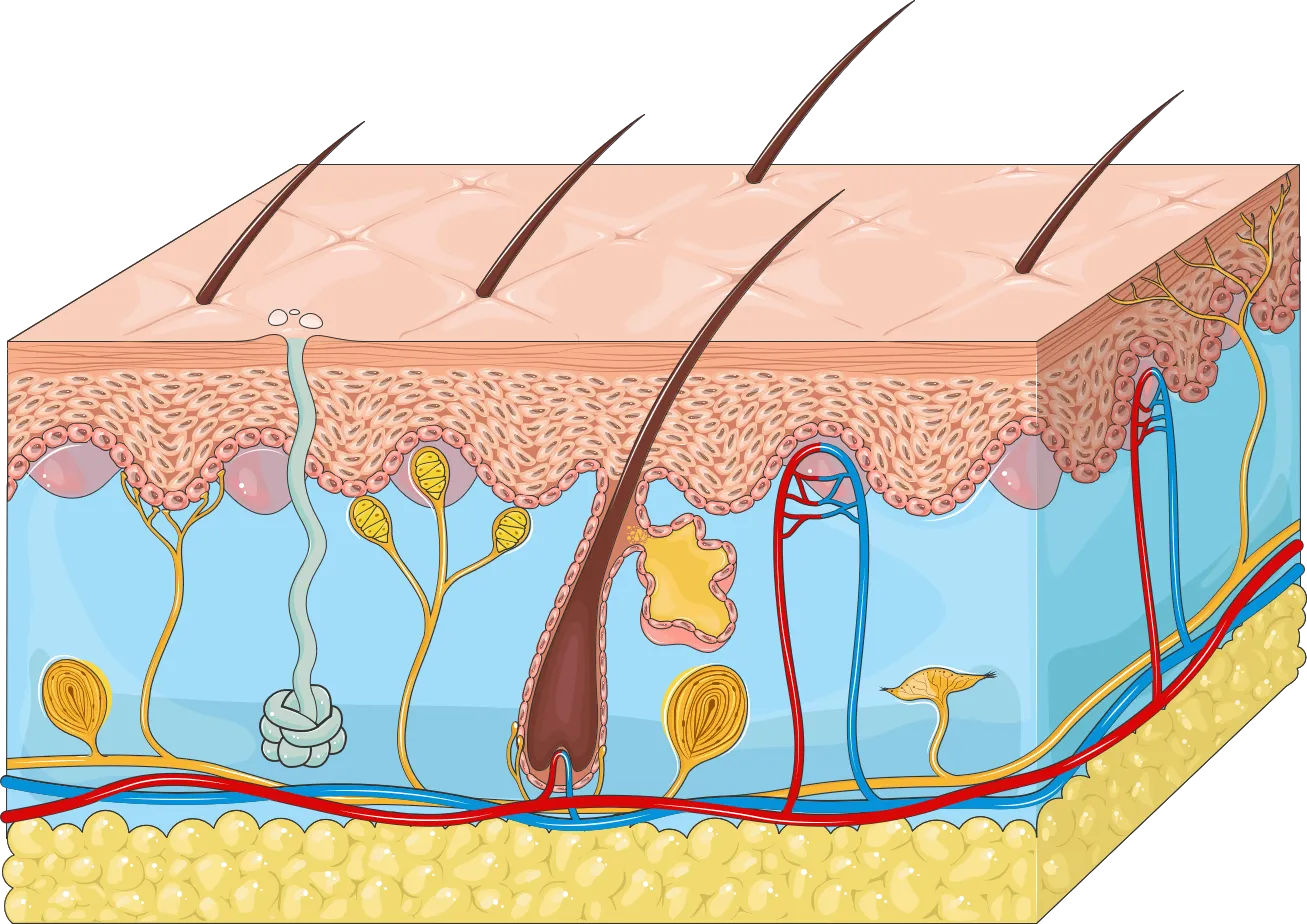
Skin
Your skin is your largest organ and a major immune barrier. Rashes, patches, and color changes are often the first visible signs of an autoimmune condition.
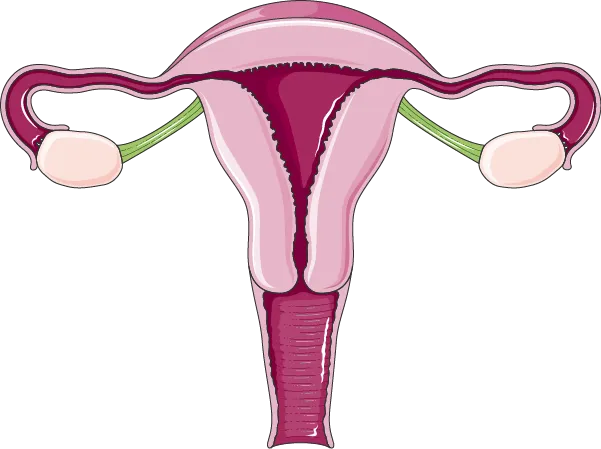
Reproductive organs
Your ovaries and uterus shape your cycle, fertility, and hormones. Sex hormones also influence the immune system, one reason autoimmune disease is more common in women.
Illustrations: Servier Medical Art, CC BY 4.0

Ready to find the root cause?
Dr. Lesher is a Naturopathic Doctor who focuses on autoimmune and chronic conditions in women. Since 2020, she's helped hundreds of patients stop managing symptoms and start healing.