 Fullscript
MegaFood
Baby & Me 2™
Label amount: 9 IU
Also called: Tocopherols, tocotrienols, d-alpha-tocopherol
A fat-soluble antioxidant that helps protect cell membranes from damage. It has a mild blood-thinning effect, which matters if you take other blood thinners.
Supplements can interact with medications and aren't right for everyone, especially during pregnancy or breastfeeding, or with a chronic condition. Ask your provider before you start.
4 products in Dr. Lesher's dispensary list vitamin e on the label.
Check with your provider before taking any of these, especially if you're pregnant or take medications.
FullscriptLabel amount: 9 IU
 Fullscript
Label amount: 8.55 IU
 Fullscript
Label amount: 25 IU
 Fullscript
Label amount: 18 IU
Explore what each area does and the conditions that can affect it.
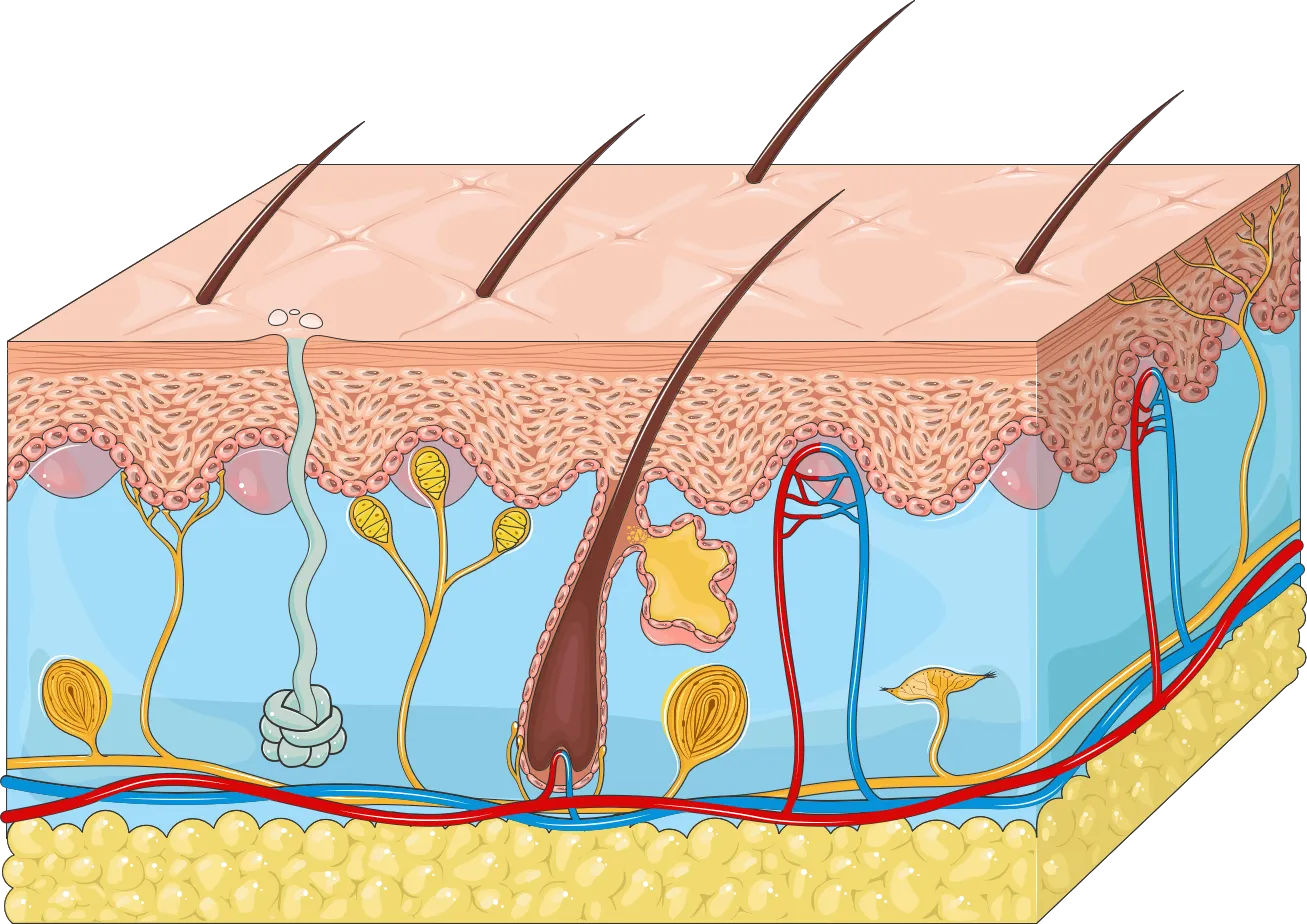
Your skin is your largest organ and a major immune barrier. Rashes, patches, and color changes are often the first visible signs of an autoimmune condition.

Your brain, spinal cord, and nerves carry every signal in your body, from movement and sensation to mood and memory.
Illustrations: Servier Medical Art, CC BY 4.0

Dr. Lesher is a Naturopathic Doctor who focuses on autoimmune and chronic conditions in women. Since 2020, she's helped hundreds of patients stop managing symptoms and start healing.