The nerve one
Benfotiamine
A fat-friendly form that raises B1 levels well. The most studied for nerve support.
Good for: Nerve support
Helps turn food, especially carbohydrates, into energy and keeps nerves and the heart working normally. Deficiency is more likely with heavy alcohol use, weight-loss surgery, or long-term vomiting. It comes in 4 forms, and they aren't all the same. Here's how they differ.
For education only. What's right for you depends on your health and your medications, so check with your provider before you start or switch. Book a consult
Benfotiamine
A fat-friendly form that raises B1 levels well. The most studied for nerve support.
Good for: Nerve support
Benfotiamine
A fat-friendly form that raises B1 levels well. The most studied for nerve support.
Good for: Nerve support
Thiamine HCl
The usual, inexpensive form. Your body absorbs it well in normal amounts.
Good for: Everyday use · Budget-friendly
Thiamine mononitrate
Common in multivitamins and fortified foods. Works much like thiamine HCl.
Allithiamine (TTFD)
A fat-friendly form first found in garlic. Less studied than benfotiamine.
5 products in Dr. Lesher's dispensary have thiamine. Here's which form, where the label says.
Check with your provider before taking any of these, especially if you're pregnant or take medications.

Has benfotiamine (the nerve one), good for nerve support
100 mg per serving

Has thiamine HCl (the standard one)
0.75 mg per serving

Has thiamine HCl (the standard one)
0.7 mg per serving
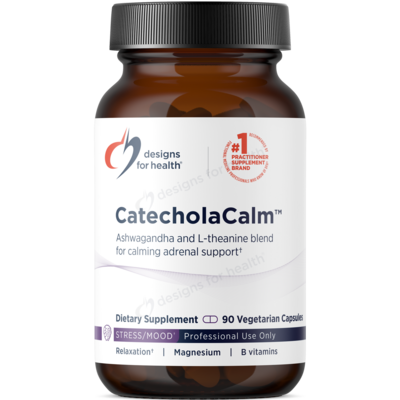
Has thiamine HCl (the standard one)
16.67 mg per serving

Has thiamine HCl (the standard one)
0.4 mg per serving

Dr. Lesher is a Naturopathic Doctor who focuses on autoimmune and chronic conditions in women. Since 2020, she's helped hundreds of patients stop managing symptoms and start healing.