 Fullscript
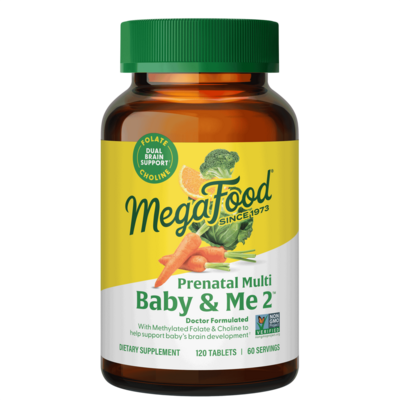
MegaFood
Baby & Me 2™
Label amount: 0.75 mg
Also called: Vitamin B1, thiamin, benfotiamine
Helps turn food, especially carbohydrates, into energy and keeps nerves and the heart working normally. Deficiency is more likely with heavy alcohol use, weight-loss surgery, or long-term vomiting.
Supplements can interact with medications and aren't right for everyone, especially during pregnancy or breastfeeding, or with a chronic condition. Ask your provider before you start.
5 products in Dr. Lesher's dispensary list thiamine (b1) on the label.
Check with your provider before taking any of these, especially if you're pregnant or take medications.
FullscriptLabel amount: 0.75 mg
 Fullscript
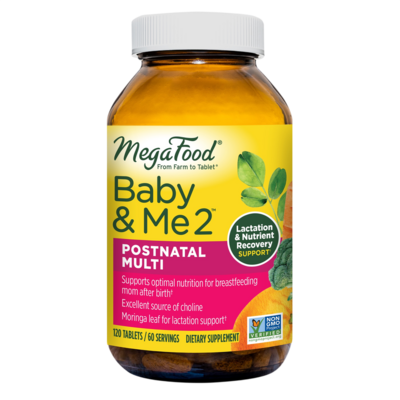
Label amount: 0.7 mg
 Fullscript
Label amount: 16.67 mg
 Fullscript
Label amount: 0.4 mg
 Fullscript
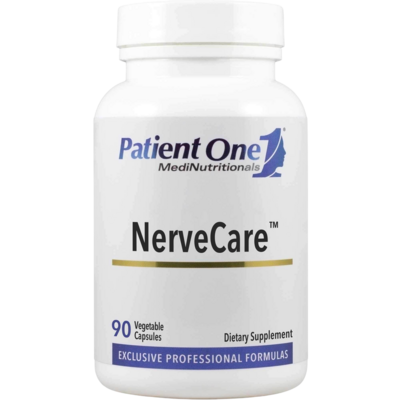
Label amount: 100 mg
Explore what each area does and the conditions that can affect it.
Illustrations: Servier Medical Art, CC BY 4.0

Dr. Lesher is a Naturopathic Doctor who focuses on autoimmune and chronic conditions in women. Since 2020, she's helped hundreds of patients stop managing symptoms and start healing.