Comfrey
Also called: Knitbone, Symphytum officinale
A plant made into creams and ointments that are rubbed on unbroken skin over sprains, bruises, and sore joints. It contains liver-toxic compounds called pyrrolizidine alkaloids, so it should never be taken by mouth.
Supplements can interact with medications and aren't right for everyone, especially during pregnancy or breastfeeding, or with a chronic condition. Ask your provider before you start.
Studied for
- Sprains and bruises
- Back and muscle pain (some studies)
- Osteoarthritis joint pain (some studies)
Found naturally in
- Not a food. It should not be eaten.
Label red flags
- Not labeled 'PA-free' or free of pyrrolizidine alkaloids
- Any comfrey product meant to be swallowed
Check with a provider
- Never take it by mouth
- Use only on unbroken skin, and only for short periods. Ask your provider how long.
- Pregnancy or breastfeeding: avoid it completely
- Liver disease, or taking medicines that can affect the liver
Usually found in sprain and bruise creams, joint and muscle ointments. Browse Dr. Lesher's dispensary
Parts of the body it affects
Explore what each area does and the conditions that can affect it.
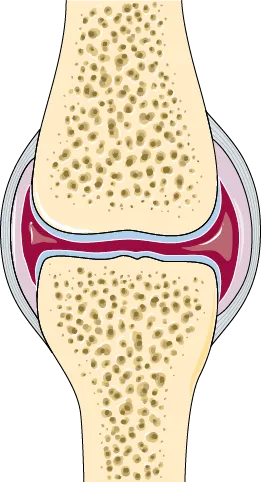
Joints
Joints let your bones move smoothly. Swelling and morning stiffness, rather than ache alone, can point to inflammation.
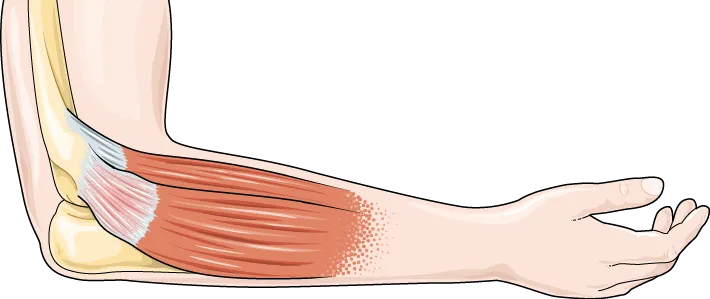
Muscles
Your muscles move and steady your body. Autoimmune muscle disease shows up as true weakness, not just soreness.
Illustrations: Servier Medical Art, CC BY 4.0

Ready to find the root cause?
Dr. Lesher is a Naturopathic Doctor who focuses on autoimmune and chronic conditions in women. Since 2020, she's helped hundreds of patients stop managing symptoms and start healing.