Graves' disease
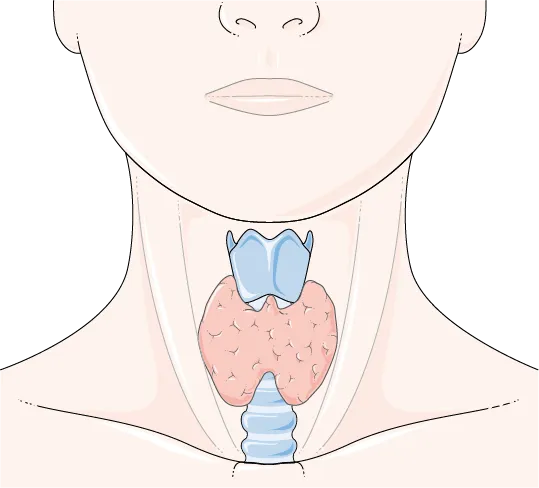
Autoimmune conditionThe most common cause of an overactive thyroid. Antibodies switch the thyroid 'on' so it makes too much hormone.
For education only — this guide can't diagnose you. If these signs sound familiar, talk with a healthcare provider. Book a consult
What happens
Antibodies called TSI (or TRAb) attach to the thyroid and stimulate it nonstop, speeding up the whole body. Some people also develop thyroid eye disease, in which the tissue behind the eyes swells.
Who gets it
Graves' disease is several times more common in women and usually starts between 30 and 50. Smoking raises the risk of eye involvement.
Signs worth getting checked
- A racing or pounding heartbeat
- Anxiety, irritability, or shakiness
- Feeling hot and sweating more
- Weight loss despite a good appetite
- More frequent bowel movements
- Trouble sleeping
- Lighter or less frequent periods
- Bulging, gritty, or red eyes, or double vision
Labs to ask about
- TSH (usually low)
- Free T4 and T3 (usually high)
- TSI or TRAb antibodies
- A thyroid uptake scan in some cases
Treatments your doctor may discuss
- Beta-blockers to calm the heart rate and tremor
- Antithyroid medicine (usually methimazole)
- Radioactive iodine or surgery for some people
- Care from an eye specialist for thyroid eye disease
Supportive steps to discuss with your provider
- Stop smoking. It makes eye disease worse.
- Avoid iodine-rich supplements such as kelp.
- Ask your provider whether to pause biotin a few days before thyroid labs. It can skew the results.
- Ask about calcium and vitamin D. Too much thyroid hormone thins bones.
- Selenium may help mild thyroid eye disease. Ask your eye doctor.
See a doctor promptly if you have
- Chest pain, a very fast or irregular heartbeat, or fainting
- High fever with agitation or confusion: call 911 (possible thyroid storm)
- Eye pain, vision loss, or double vision
- You're pregnant or planning pregnancy with an overactive thyroid
Related conditions
Ready to find the root cause?
Dr. Lesher is a Naturopathic Doctor who focuses on autoimmune and chronic conditions in women. Since 2020, she's helped hundreds of patients stop managing symptoms and start healing.