Tea tree oil
Also called: Melaleuca oil, Melaleuca alternifolia
An essential oil from the leaves of an Australian tree. It's applied to the skin, always diluted, for its antimicrobial effects. It is toxic if swallowed.
Supplements can interact with medications and aren't right for everyone, especially during pregnancy or breastfeeding, or with a chronic condition. Ask your provider before you start.
Studied for
- Mild acne (some studies)
- Athlete's foot and fungal skin infections
- Nail fungus (limited evidence)
- Dandruff (in shampoos)
Found naturally in
- Not a food. It is distilled from the leaves of the tea tree.
Label red flags
- No percentage of tea tree oil listed
- Old or opened bottles left in light or heat. Oxidized oil is more likely to irritate skin.
Check with a provider
- Never swallow it. It is toxic by mouth. Keep it away from children and pets, especially cats.
- Sensitive skin, eczema, or a history of reactions to essential oils. Patch test first.
- Stop if you get redness, itching, or a rash
- Use in children, or repeated use on young boys: ask your provider first (some case reports link it to hormone effects, though this is debated)
Usually found in acne washes and spot treatments, antifungal foot products, dandruff shampoos. Browse Dr. Lesher's dispensary
Parts of the body it affects
Explore what each area does and the conditions that can affect it.
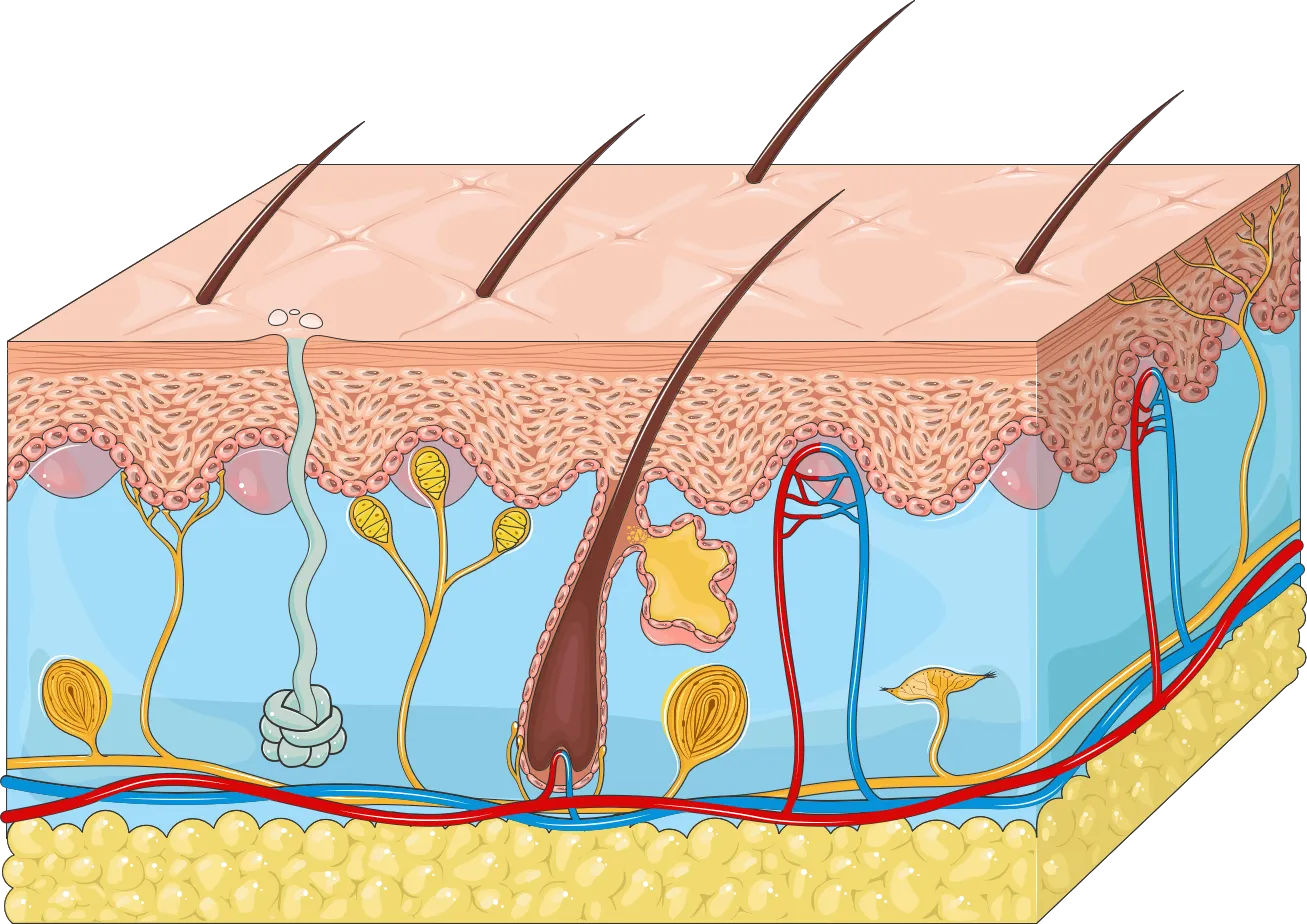
Illustrations: Servier Medical Art, CC BY 4.0

Ready to find the root cause?
Dr. Lesher is a Naturopathic Doctor who focuses on autoimmune and chronic conditions in women. Since 2020, she's helped hundreds of patients stop managing symptoms and start healing.