 Fullscript
Metagenics
Immune Active™
Label amount: 300 mg
Also called: N-acetylcysteine, N-acetyl-L-cysteine
A form of the amino acid cysteine that your body uses to make glutathione, a key antioxidant. It also helps thin mucus.
Supplements can interact with medications and aren't right for everyone, especially during pregnancy or breastfeeding, or with a chronic condition. Ask your provider before you start.
2 products in Dr. Lesher's dispensary list nac on the label.
Check with your provider before taking any of these, especially if you're pregnant or take medications.
FullscriptLabel amount: 300 mg
 Fullscript
Label amount: 200 mg
Explore what each area does and the conditions that can affect it.
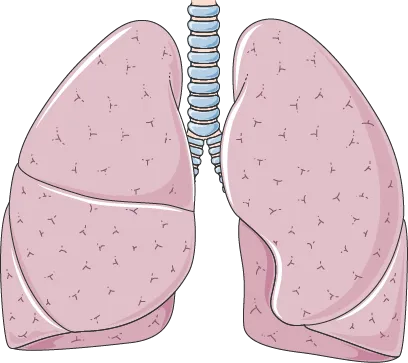
Your lungs bring oxygen in and carry carbon dioxide out. Several autoimmune conditions can inflame or scar lung tissue, often quietly at first.
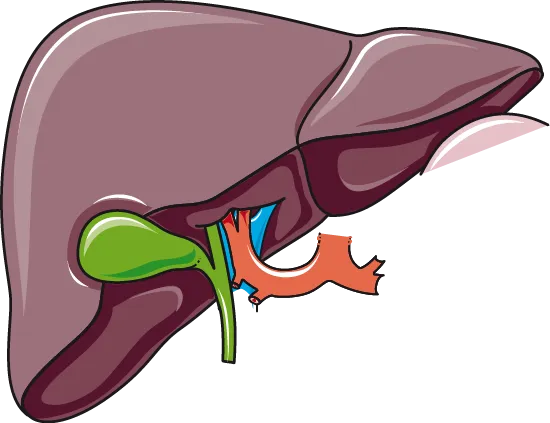
Your liver filters your blood, processes hormones and medicines, and makes bile to digest fat.
Illustrations: Servier Medical Art, CC BY 4.0

Dr. Lesher is a Naturopathic Doctor who focuses on autoimmune and chronic conditions in women. Since 2020, she's helped hundreds of patients stop managing symptoms and start healing.