The gentle one
Copper bisglycinate (chelated)
Your body absorbs it well and it's easy on the stomach.
Good for: Everyday use · Easy on the stomach
A trace mineral needed for red blood cells, iron use, collagen, and nerve health. It works in balance with zinc, so taking one affects the other. It comes in 3 forms, and they aren't all the same. Here's how they differ.
For education only. What's right for you depends on your health and your medications, so check with your provider before you start or switch. Book a consult
Copper bisglycinate (chelated)
Your body absorbs it well and it's easy on the stomach.
Good for: Everyday use · Easy on the stomach
Copper bisglycinate (chelated)
Your body absorbs it well and it's easy on the stomach.
Good for: Everyday use · Easy on the stomach
Copper gluconate or citrate
Your body absorbs it well, and it's easy to find.
2 products in Dr. Lesher's dispensary have copper. Here's which form, where the label says.
Check with your provider before taking any of these, especially if you're pregnant or take medications.
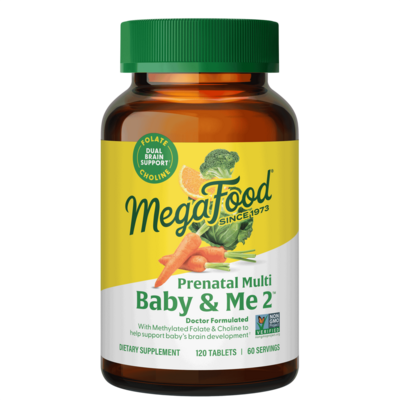
Has bisglycinate (the gentle one)
100 mcg per serving
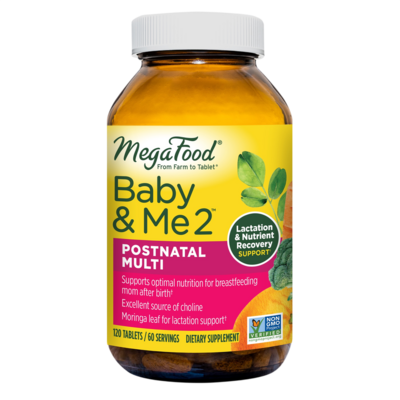
Has bisglycinate (the gentle one)
650 mcg per serving

Dr. Lesher is a Naturopathic Doctor who focuses on autoimmune and chronic conditions in women. Since 2020, she's helped hundreds of patients stop managing symptoms and start healing.