 Fullscript
Designs for Health
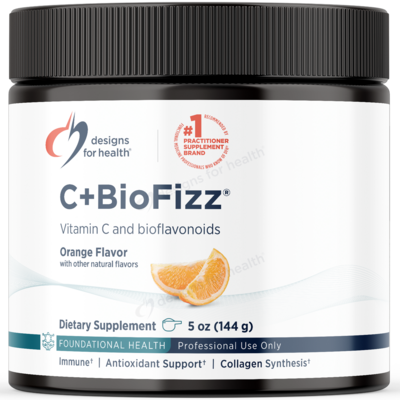
C+BioFizz Effervescent Powder
Label amount: 10 mg
The main mineral in bones and teeth. It also helps muscles contract, nerves signal, and blood clot. Most people do best getting much of it from food.
Supplements can interact with medications and aren't right for everyone, especially during pregnancy or breastfeeding, or with a chronic condition. Ask your provider before you start.
6 products in Dr. Lesher's dispensary list calcium on the label.
Check with your provider before taking any of these, especially if you're pregnant or take medications.
FullscriptLabel amount: 10 mg
 Fullscript
Label amount: 25 mg
 Fullscript
Label amount: 292 mg
 Fullscript
Label amount: 500 mg
 Fullscript
Label amount: 600 mg
 Fullscript
Label amount: 30 mg
Explore what each area does and the conditions that can affect it.
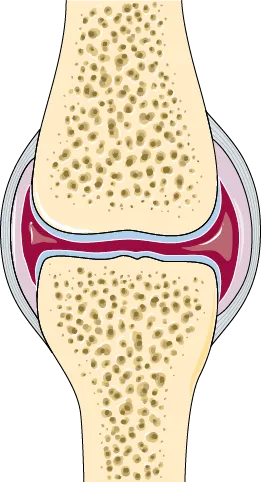
Joints let your bones move smoothly. Swelling and morning stiffness, rather than ache alone, can point to inflammation.
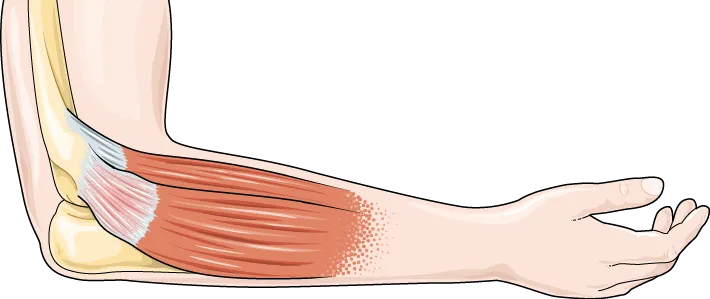
Your muscles move and steady your body. Autoimmune muscle disease shows up as true weakness, not just soreness.
Illustrations: Servier Medical Art, CC BY 4.0

Dr. Lesher is a Naturopathic Doctor who focuses on autoimmune and chronic conditions in women. Since 2020, she's helped hundreds of patients stop managing symptoms and start healing.