Hair conditions in women
Hair is often one of the first places to show what's happening inside the body. Changes in shedding or thickness can point to nutrient, thyroid, hormone, or autoimmune causes.
For education only — this guide can't diagnose you. If these signs sound familiar, talk with a healthcare provider. Book a consult
Conditions that affect your hair 4
Each guide covers early signs, labs to ask about, and when to see a doctor.
Hashimoto's thyroiditis
AutoimmuneThe most common cause of an underactive thyroid in the US. The immune system slowly damages the thyroid, so it makes less hormone over time.
Lupus
AutoimmuneA whole-body autoimmune disease that can inflame the skin, joints, kidneys, blood, heart, lungs, and brain.
Vitiligo & alopecia areata
AutoimmuneTwo autoimmune conditions of the skin and hair. Vitiligo destroys pigment cells, leaving white patches. Alopecia areata attacks hair follicles, causing patchy hair loss.
Polycystic ovary syndrome
ChronicA common hormone condition that often causes irregular periods, higher androgen (male-type hormone) levels, and insulin resistance. Despite the name, not everyone with PCOS has ovarian cysts.
Signs worth getting checked
- Round, smooth patches of hair loss
- Sudden shedding of large amounts of hair
- Hair loss with scalp redness, scaling, pain, or scarring
- Thinning eyebrows, especially the outer third
- Hair loss together with fatigue, weight change, or irregular periods
Ingredients that affect your hair
Ingredients that act on the hair. Each guide covers cautions.
About your hair
What it does
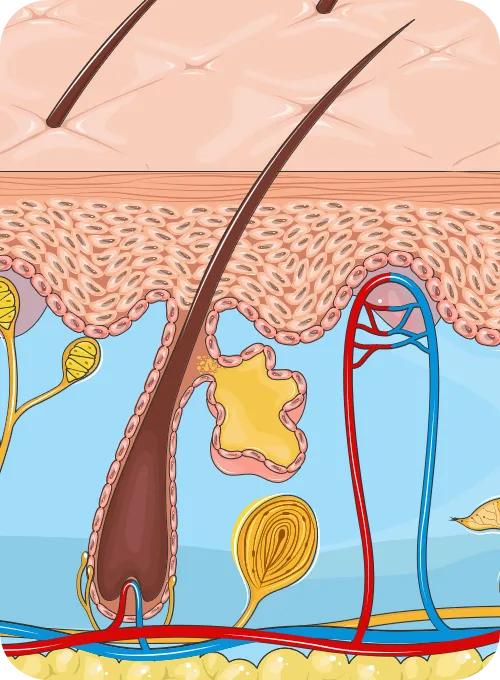
Each hair grows from a follicle in a cycle of growth, rest, and shedding. Follicles are very active and sensitive to iron, protein, thyroid hormone, sex hormones, and stress, so changes in the body often show up in the hair a few months later.
Common issues
- Shedding 2–3 months after stress, illness, surgery, or childbirth
- Thinning from low iron or ferritin
- Thinning with an underactive or overactive thyroid
- Female-pattern thinning, often around perimenopause
- Hair changes with PCOS, including thinning on the scalp
Ready to find the root cause?
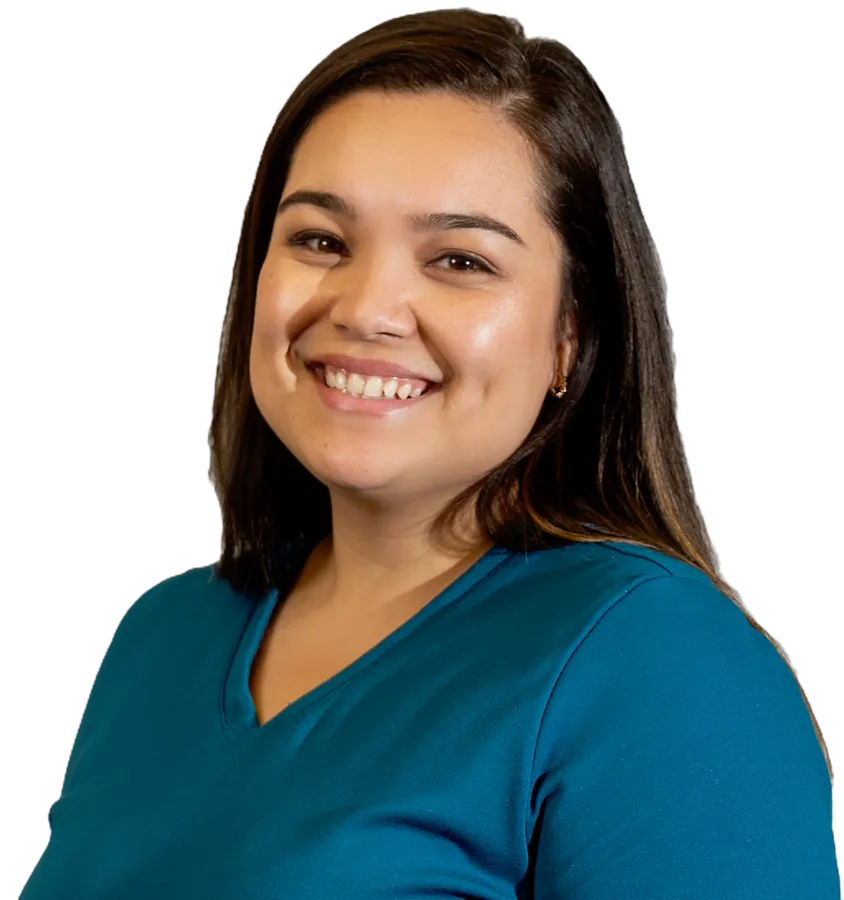
Dr. Lesher is a Naturopathic Doctor who focuses on autoimmune and chronic conditions in women. Since 2020, she's helped hundreds of patients stop managing symptoms and start healing.